

Invest in an Outdoor Electric Heater For Patio
Many people love spending time in their outdoor spaces but find it difficult to remain warm after the sun goes down. If you don't want to be forced to stay inside when the weather gets cold, consider investing in a patio heater.
These heaters are safe to use after use and will heat up within a matter of seconds. However, they should be placed in a ventilated space in accordance with the manufacturer's guidelines.
Heater Coverage
A patio heater can prolong the season of entertaining by adding warmth and comfort to your furniture outside. Some heaters can be adjusted and are available in electric and gas models.
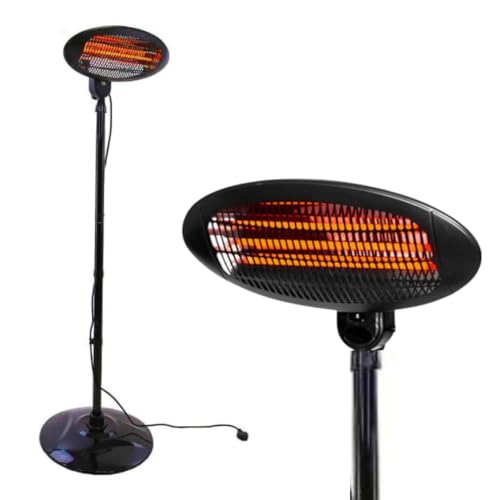
The best patio heater will depend on the dimensions and layout of your space, and also the geographical location. If you are in a colder climate, think about an electric patio heater with a high wattage for maximum coverage. A gas-powered model, such as the propane patio heater from AZ Patio Heaters, is an alternative and can provide a warmer atmosphere, but will require a continuous supply of fuel.
The clearance requirements of your patio heater depend on the type of power source and whether it is freestanding or mounted. The majority of gas patio heaters require at least three feet between the top of the heating element and any combustible objects like walls or ceilings. If your patio heater is equipped with a tip-over shut-off feature the clearance can be reduced to less than 3 feet which makes it suitable for specific applications.
A patio heater with an electric motor has an easier mounting option and does not need to be placed near flammable objects. It also consumes less energy than gas models and has a lower power output. Most electric heaters are plugged into standard 120-volt outlets and can be easily moved around your outdoor space. These heaters can raise the cost of your electric bill when they are frequently used.
Certain electric patio heaters utilize infrared technology to create an intense heat that is more intense and lasts for a shorter time. They are low-profile and can be placed on awnings or umbrellas to create a minimalist, clean appearance. For rooms that are more design-oriented, they are available in a range of colors and finishes such as black or bronze. Some are even made from 316 marine-grade stainless steel to resist corrosion in harsh coastal environments.
The best patio heaters have the ability to control the heater remotely that allows you to adjust the temperature and set an alarm. Some have a display that enhances the aesthetic appeal. Choose a model that can be integrated into your home automation system for an extra level convenience.
Heater BTUs
When choosing a patio heater to heat your space, you'll need to think about the size of the area it will heat and how strong it will need to be. This is important since some heaters only heat small areas and others are designed to cover larger areas. It's also necessary to ensure the model has enough power to effectively heat your home without overheating or creating fire hazards.
Check the manufacturer's guidelines on safety and proper usage when determining the BTUs of the patio heater that's suitable for your space. Whatever type of heater you select, it's crucial to follow these precautions and keep a fire extinguisher nearby in case of. Do not place the unit next to anything that is fire-proof, like furniture, umbrellas, or awnings.
When choosing an outdoor electric heater, you should also consider whether the heater is wall/ceiling or standing mounted. Wall/ceiling mounted units work ideal for areas with small floor space or want to conserve space. They can be concealed into a flat roof and work well under umbrellas or gazebos. They are also perfect for rooms with a modern aesthetic.
Standing units can be placed anywhere. They're ideal for courtyards, balconies, patios, garages, and outdoor restaurants. They are also easy to move around when you need to alter the direction of the heat waves. Many of the most popular electric standing heaters come with features like various heating settings, remote control and adjustable height.
You should select an electric patio heater that has a tip over auto shut off feature. This feature will shut off the unit when it tilts beyond a certain angle. It will keep your guests and you safe. electric patio heater lamp have an overheating protection feature that will stop the unit from working if it gets too hot. Whatever model you pick, it's essential to stay close to the unit throughout operation in case of a accident or fire hazard.
Safety Measures
You can choose between three types of patio heaters: propane, natural-gas and electric. Propane heaters are the simplest to install as they don't require any electrical or plumbing, and only require a 20lb propane tank available at any hardware or grocery store. They can provide up to 8-10 hours of heat on one tank, but their fuel costs are the most expensive of the three.
Natural gas heaters require an ongoing installation and a qualified technician to connect them to the gas line. These are also the most expensive of the three, yet will provide a steady source of heat that could last for up to two times longer than propane heaters.
All three of these heaters must be kept a safe distance away from anything combustible such as flammable plants and fabric such as tablecloths or awnings. It is crucial to ensure that the area in which you use these heaters is adequately ventilated, as natural gas or propane could release dangerous carbon monoxide.
The best way to ensure your safety is to follow the manufacturer's guidelines when installing your patio heater. They will usually tell you to keep the unit at a safe distance from walls, ceilings and anything else that could be combustible, and also the distance that the unit must be from other units.
The unit must be permanently connected to an outlet that is equipped with RCD (residual-current device) protection. This device can save lives by preventing accidental contact with live wires which could cause an electrical fire.
When you are choosing a patio heater, make sure that it is rated for outdoor use and comes with anti-tilt features. These devices are usually water weights or flame retardant ties or bungee chords that to secure your heater and prevent it from tumbling. These devices are important to prevent any risk and ensure that you, your friends and family members safe.
Maintenance
A patio heater can be a great addition to any outdoor gathering that allows guests to stay comfortable in cool weather. However, these units require regular cleaning and maintenance to operate efficiently and safely. A basic understanding of the appliance's usage and maintenance can help prevent common problems and extend the lifespan of these appliances.
Electric heaters, such as Bromic's Platinum Electric and Tungsten Electric models should be cleaned using a non-abrasive detergent and stored in a clean area when not in use. If you notice that your unit flashes or emits a noxious odor It could be the result of an out of date fuse or damaged heater element. Check both components and replace the element if it is physically bent or is showing signs of wear.
Propane patio heaters can also have similar problems. These are usually caused by a malfunctioning thermocouple or a blocked gas line. This issue can be solved by removing the access panel and blowing air into the pipe. To avoid serious malfunctions or accidents, a blocked pipe must be cleaned and periodically inspected.
It is not recommended to use a propane or gas heater indoors. This can lead to carbon monoxide poisoning as well as fire dangers. Store portable heaters in a covered garage or shed to shield them from snow and rain. Gas cylinders need to be removed from the heater and kept in a ventilated location. Regularly inspecting the gas regulator for damage or leaks is also recommended. The regulator connects the cylinder to the burner and is susceptible to damage from impact or water. A damaged or blocked regulator could also cause fuel to not be delivered to the igniter and could cause an accident.